

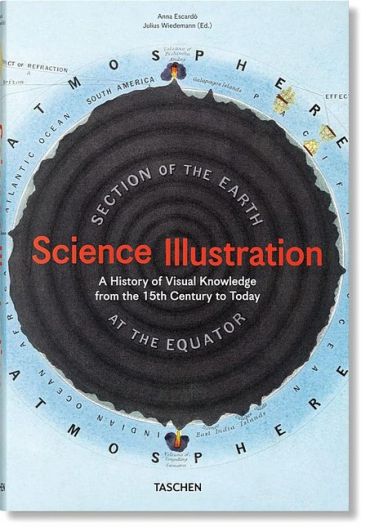
Science Illustration. A History of Visual Knowledge from the 15th Century to Today 22832
The Quest for Knowledge
Pictorial insights into scientific discoveries that have changed the world
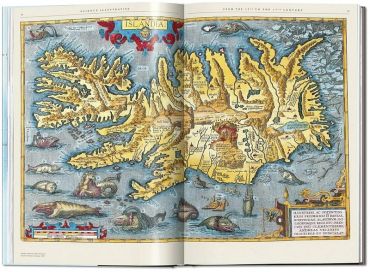
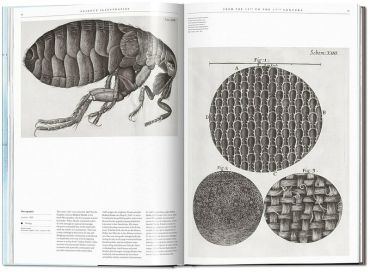
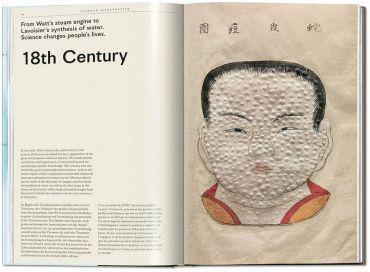
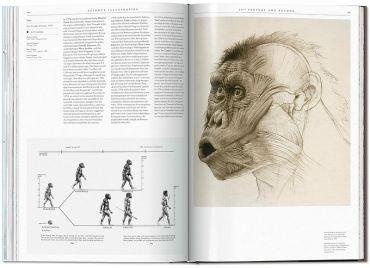
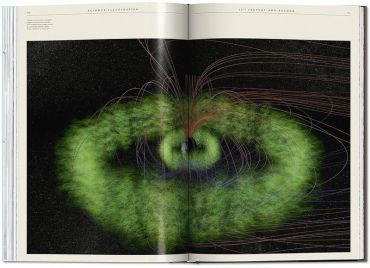
Science and illustration have always walked hand in hand, and not only the scientific community but the general public as well have used images since early history to understand natural phenomena. Moreover, from Galileo to Einstein, our modern history has been written with the key support of art and with all the insights it contributes. This XL-sized book collects more than 300 graphic works that range from original sketches to technical drawings, and from meticulous hand illustrations to computer-generated images.
The Western scientific revolution that started in the 14th century catapulted humankind into a completely new way of understanding how nature and the world around us behaved. Whether it was diseases caused by viruses or the vast galaxies of the cosmos, a new army of professionals turned their minds to unlocking and reshaping the universe of our experience with a dialectic positioned between theory and evidence. The field of illustration and the development of knowledge became inseparably intertwined, as can be seen by the majestic works shown in this book that were produced by the scientists and artists who specialized in this combined field.
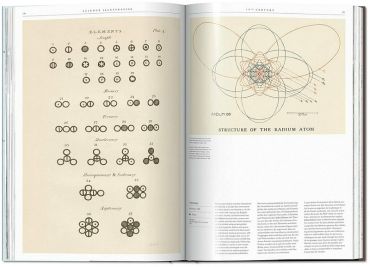
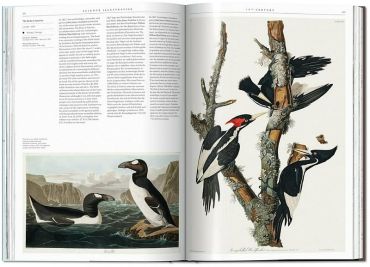
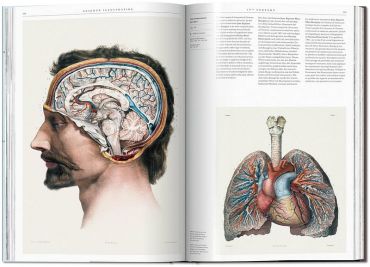
Explore here the work of more than 700 scientists and over 300 discoveries in anatomy, physics, chemistry, astronomy, mechanics, and many other scientific fields, through the visual works that bring them to life. Combined with detailed texts explaining their scientific significance, the illustrations in this book introduce the work of such pionieering scientists as Andreas Vesalius, Isaac Newton, Marie Curie, and Rosalind Franklin. The visualizations themselves present game-changing ideas and discoveries from the 15th century to the present day, notably including Galileo’s watercolors of the moon, Bourgery’s unparalleled Atlas of Human Anatomy and Surgery, Florence Nightingale’s statistical diagrams to indicate war casualties, and Einstein’s quickly scribbled ideas for his general theory of relativity.
Many discoveries in science take place as the result of counterintuitive thinking, and in order to visualize their work scientists have to connect with the resources of collective knowledge and in turn convey new information back to people. This book is for everyone who is continually amazed by the wonders of our world and who wants to find out more about it through the remarkable illustrations used to present advances in scientific understanding.
Pictorial insights into scientific discoveries that have changed the world
Science and illustration have always walked hand in hand, and not only the scientific community but the general public as well have used images since early history to understand natural phenomena. Moreover, from Galileo to Einstein, our modern history has been written with the key support of art and with all the insights it contributes. This XL-sized book collects more than 300 graphic works that range from original sketches to technical drawings, and from meticulous hand illustrations to computer-generated images.
The Western scientific revolution that started in the 14th century catapulted humankind into a completely new way of understanding how nature and the world around us behaved. Whether it was diseases caused by viruses or the vast galaxies of the cosmos, a new army of professionals turned their minds to unlocking and reshaping the universe of our experience with a dialectic positioned between theory and evidence. The field of illustration and the development of knowledge became inseparably intertwined, as can be seen by the majestic works shown in this book that were produced by the scientists and artists who specialized in this combined field.
Explore here the work of more than 700 scientists and over 300 discoveries in anatomy, physics, chemistry, astronomy, mechanics, and many other scientific fields, through the visual works that bring them to life. Combined with detailed texts explaining their scientific significance, the illustrations in this book introduce the work of such pionieering scientists as Andreas Vesalius, Isaac Newton, Marie Curie, and Rosalind Franklin. The visualizations themselves present game-changing ideas and discoveries from the 15th century to the present day, notably including Galileo’s watercolors of the moon, Bourgery’s unparalleled Atlas of Human Anatomy and Surgery, Florence Nightingale’s statistical diagrams to indicate war casualties, and Einstein’s quickly scribbled ideas for his general theory of relativity.
Many discoveries in science take place as the result of counterintuitive thinking, and in order to visualize their work scientists have to connect with the resources of collective knowledge and in turn convey new information back to people. This book is for everyone who is continually amazed by the wonders of our world and who wants to find out more about it through the remarkable illustrations used to present advances in scientific understanding.
Пошуки знань
Ілюстрований погляд на наукові відкриття, що змінили світ
Наука та ілюстрація завжди йшли пліч-о-пліч, і не лише наукова спільнота, а й широка громадськість використовувала зображення для розуміння природних явищ ще з часів ранньої історії. Більше того, від Галілея до Ейнштейна наша сучасна історія була написана за ключової підтримки мистецтва та з усіма його знаннями. У цій книзі XL-розміру зібрано понад 300 графічних робіт, які варіюються від оригінальних ескізів до технічних креслень, від ретельних ручних ілюстрацій до зображень, створених за допомогою комп'ютера.
Західна наукова революція, що розпочалася в 14 столітті, підштовхнула людство до абсолютно нового розуміння того, як поводиться природа і світ навколо нас. Будь то хвороби, спричинені вірусами, чи величезні галактики космосу, нова армія професіоналів спрямувала свої зусилля на розкриття та реформування всесвіту нашого досвіду за допомогою діалектики, розташованої між теорією та фактами. Сфера ілюстрації та розвиток знань стали нерозривно пов'язаними, про що свідчать величні роботи, представлені в цій книжці, створені науковцями та художниками, які спеціалізуються в цій поєднаній галузі.
Дослідіть тут роботу понад 700 вчених і понад 300 відкриттів в анатомії, фізиці, хімії, астрономії, механіці та багатьох інших наукових галузях за допомогою візуальних творів, які втілюють їх у життя. У поєднанні з детальними текстами, що пояснюють їхнє наукове значення, ілюстрації в цій книзі знайомлять з роботами таких вчених-першовідкривачів, як Андреас Везалій, Ісаак Ньютон, Марія Кюрі та Розалінда Франклін. Самі візуалізації представляють ідеї та відкриття, що змінили світ від 15 століття до наших днів, зокрема, акварелі Місяця Галілея, неперевершений "Атлас анатомії та хірургії людини" Бурґері, статистичні діаграми Флоренс Найтінгейл, що відображають втрати на війні, та нашвидкуруч накидані ідеї Ейнштейна для його загальної теорії відносності.
Багато відкриттів у науці відбуваються в результаті контрінтуїтивного мислення, і для того, щоб візуалізувати свою роботу, вченим доводиться долучатися до ресурсів колективного знання і, в свою чергу, передавати нову інформацію назад людям. Ця книжка для всіх, хто постійно дивується чудесам нашого світу і хоче дізнатися про нього більше завдяки чудовим ілюстраціям, які використовуються для представлення досягнень наукового пізнання.
- АвторAnna Escardo
- КатегоріяКультура та мистецтво
- МоваАнглійськаФранцузькаНімецька
- Рік2022
- Сторінок436
- Формат245х370 мм
- ОбкладинкаТверда
- Тип паперуКрейдований
- ІлюстраціїЧорно-біліКольорові
- Вага, г3490
- ЖанрОбразотворче мистецтвоПриродничі науки
- Вік16+
2980 ₴
Відділення Нова Пошта80 ₴
Поштомат Нова Пошта80 ₴
Кур’єр Нова Пошта120 ₴
Відділення УкрПошта50 ₴
Кур’єр за адресою90 ₴






допоможіть тим, хто ще не читав