

Project Japan. Metabolism Talks 24195
Back to the Future
Visionary architecture in postwar Japan
“Once there was a nation that went to war, but after they conquered a continent their own country was destroyed by atom bombs... then the victors imposed democracy on the vanquished. For a group of apprentice architects, artists, and designers, led by a visionary, the dire situation of their country was not an obstacle but an inspiration to plan and think... although they were very different characters, the architects worked closely together to realize their dreams, staunchly supported by a super-creative bureaucracy and an activist state... after 15 years of incubation, they surprised the world with a new architecture—Metabolism—that proposed a radical makeover of the entire land... Then newspapers, magazines, and TV turned the architects into heroes: thinkers and doers, thoroughly modern men… Through sheer hard work, discipline, and the integration of all forms of creativity, their country, Japan, became a shining example... when the oil crisis initiated the end of the West, the architects of Japan spread out over the world to define the contours of a post-Western aesthetic....” —Rem Koolhaas / Hans Ulrich Obrist
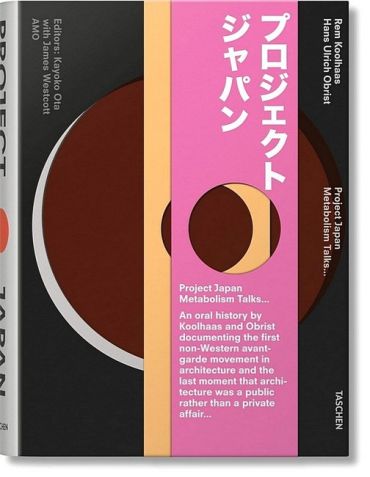
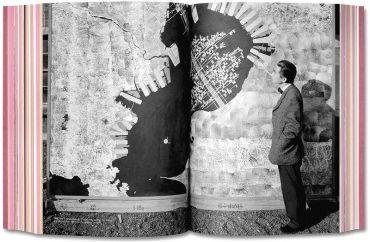
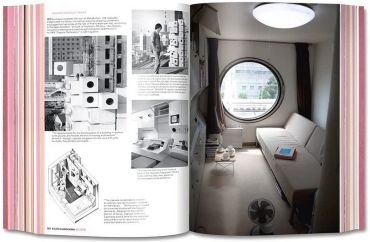
Between 2005 and 2011, architect Rem Koolhaas and curator Hans Ulrich Obrist interviewed the surviving members of Metabolism—the first non-Western avant-garde, launched in Tokyo in 1960, in the midst of Japan’s postwar miracle. Project Japan features hundreds of never-before-seen images—master plans from Manchuria to Tokyo, intimate snapshots of the Metabolists at work and play, architectural models, magazine excerpts, and astonishing sci-fi urban visions—telling the 20th-century history of Japan through its architecture.
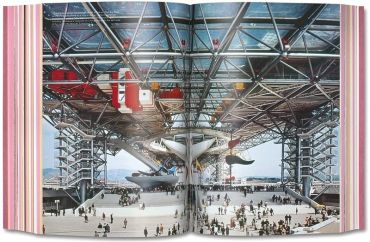
From the tabula rasa of a colonized Manchuria in the 1930s, a devastated Japan after the war, and the establishment of Metabolism at the 1960 World Design Conference in Tokyo to the rise of Kisho Kurokawa as the first celebrity architect, the apotheosis of Metabolism at Expo ’70 in Osaka, and its expansion into the Middle East and Africa in the 1970s: The result is a vivid documentary of the last moment when architecture was a public rather than a private affair.
Visionary architecture in postwar Japan
“Once there was a nation that went to war, but after they conquered a continent their own country was destroyed by atom bombs... then the victors imposed democracy on the vanquished. For a group of apprentice architects, artists, and designers, led by a visionary, the dire situation of their country was not an obstacle but an inspiration to plan and think... although they were very different characters, the architects worked closely together to realize their dreams, staunchly supported by a super-creative bureaucracy and an activist state... after 15 years of incubation, they surprised the world with a new architecture—Metabolism—that proposed a radical makeover of the entire land... Then newspapers, magazines, and TV turned the architects into heroes: thinkers and doers, thoroughly modern men… Through sheer hard work, discipline, and the integration of all forms of creativity, their country, Japan, became a shining example... when the oil crisis initiated the end of the West, the architects of Japan spread out over the world to define the contours of a post-Western aesthetic....” —Rem Koolhaas / Hans Ulrich Obrist
Between 2005 and 2011, architect Rem Koolhaas and curator Hans Ulrich Obrist interviewed the surviving members of Metabolism—the first non-Western avant-garde, launched in Tokyo in 1960, in the midst of Japan’s postwar miracle. Project Japan features hundreds of never-before-seen images—master plans from Manchuria to Tokyo, intimate snapshots of the Metabolists at work and play, architectural models, magazine excerpts, and astonishing sci-fi urban visions—telling the 20th-century history of Japan through its architecture.
From the tabula rasa of a colonized Manchuria in the 1930s, a devastated Japan after the war, and the establishment of Metabolism at the 1960 World Design Conference in Tokyo to the rise of Kisho Kurokawa as the first celebrity architect, the apotheosis of Metabolism at Expo ’70 in Osaka, and its expansion into the Middle East and Africa in the 1970s: The result is a vivid documentary of the last moment when architecture was a public rather than a private affair.
- Oral history by Rem Koolhaas and Hans Ulrich Obrist
- Extensive interviews with Arata Isozaki, Toshiko Kato, Kiyonori Kikutake, Noboru Kawazoe, Fumihiko Maki, Kisho Kurokawa, Kenji Ekuan, Atsushi Shimokobe, and Takako and Noritaka Tange
- Hundreds of never-before-seen images, architectural models, and magazine excerpts
- Layout by award-winning Dutch designer Irma Boom
Назад у майбутнє
Візіонерська архітектура у повоєнній Японії
"Колись жив народ, який пішов на війну, але після того, як він завоював континент, його країна була зруйнована атомними бомбами... Тоді переможці нав'язали демократію переможеним. Для групи архітекторів-початківців, художників і дизайнерів на чолі з візіонером жахливе становище їхньої країни було не перешкодою, а натхненням для планування і мислення... Хоча вони були дуже різними за характером, архітектори тісно співпрацювали, щоб втілити свої мрії, за підтримки суперкреативної бюрократії та активної держави... Після 15 років інкубації вони здивували світ новою архітектурою - метаболізмом, яка запропонувала радикальну перебудову всієї землі... Тоді газети, журнали і телебачення перетворили архітекторів на героїв: мислителів і практиків, цілком сучасних людей... Завдяки наполегливій праці, дисципліні та інтеграції всіх форм творчості їхня країна, Японія, стала яскравим прикладом... Коли нафтова криза започаткувала кінець Заходу, архітектори Японії роз'їхалися по всьому світу, щоб визначити контури пост-західної естетики...." -Рем Колхас / Ганс Ульріх Обріст
Між 2005 та 2011 роками архітектор Рем Колхас та куратор Ганс Ульріх Обріст брали інтерв'ю у вцілілих членів "Метаболізму" - першого незахідного авангарду, започаткованого в Токіо у 1960 році, в розпал післявоєнного дива Японії. Проект "Японія" містить сотні ніколи раніше не бачених зображень - генеральні плани від Маньчжурії до Токіо, інтимні знімки метаболістів під час роботи та відпочинку, архітектурні моделі, уривки з журналів та дивовижні науково-фантастичні урбаністичні візії - які розповідають історію Японії 20-го століття через її архітектуру.
Від tabula rasa колонізованої Маньчжурії у 1930-х роках, спустошеної Японії після війни та заснування метаболізму на Всесвітній конференції дизайну 1960 року в Токіо до становлення Кішо Курокави як першого відомого архітектора, апофеозу метаболізму на Експо '70 в Осаці та його експансії на Близький Схід і Африку в 1970-х роках: У результаті вийшов яскравий документальний фільм про останній момент, коли архітектура була публічною, а не приватною справою.
Усна історія від Рема Колхаса та Ганса Ульріха Обріста
Розлогі інтерв'ю з Аратою Ісодзакі, Тошіко Като, Кійонорі Кікутаке, Нобору Кавазое, Фуміхіко Макі, Кішо Курокавою, Кендзі Екуаном, Ацуші Сімокобе, Такако та Норітакою Танге
Сотні ніколи раніше не бачених зображень, архітектурних моделей та журнальних уривків
Обкладинка від відзначеної нагородами голландської дизайнерки Ірми Бум
- АвторHans Ulrich ObristRem Koolhaas
- КатегоріяДизайн
- МоваАнглійська
- Рік2011
- Сторінок720
- Формат170х235 мм
- ОбкладинкаМ'яка
- Тип паперуКрейдований
- ІлюстраціїЧорно-біліКольорові
- Вага, г1340
- ЖанрМистецтвознавствоАрхітектура
- Вік16+
2980 ₴
Відділення Нова Пошта80 ₴
Поштомат Нова Пошта80 ₴
Кур’єр Нова Пошта120 ₴
Відділення УкрПошта50 ₴
Кур’єр за адресою90 ₴













допоможіть тим, хто ще не читав