

Social Forms: A Short History of Political Art 46018
In an increasingly polarized world, with shifting and extreme politics, Social Forms illustrates artists at the forefront of political and social resistance. Highlighting different moments of crisis and how these are reflected and preserved through crucial artworks, it also asks how to make art in the age of Brexit, Trump, and the refugee and climate crises.
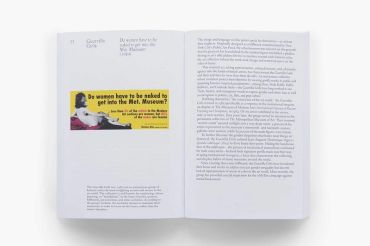
In Social Forms: A Short History of Political Art , renowned critic, curator, and writer Christian Viveros-Faune has picked fifty representative artworks- from Francisco de Goya’s The Disasters of War (1810–1820) to David Hammons’s In the Hood (1993)-that give voice to some of modern art’s strongest calls to political action. In accessible and witty entries on each piece, Viveros-Faune paints a picture of the context in which each work was created, the artist’s background, and the historical impact of each contribution. At times artists create projects that subvert existing power structures; at other moments they make artwork so powerful it challenges the very fabric of society. Whether it is Picasso’s Guernica and its place at the 1937 Worlds Fair, or Jenny Holzer’s Truisms (1977–1979), which still stop us in our tracks, this book tells the story behind some of the most important and unexpected encounters between artworks and the real worlds they engage with.
Never professing to be a definitive history of political art, Social Forms delivers a unique and compelling portrait of how artists during the last 150 years have dealt with changing political systems, the violence of modern warfare, the rise of consumer culture worldwide, the prevalence of inequality and racism, and the challenges of technology.
In Social Forms: A Short History of Political Art , renowned critic, curator, and writer Christian Viveros-Faune has picked fifty representative artworks- from Francisco de Goya’s The Disasters of War (1810–1820) to David Hammons’s In the Hood (1993)-that give voice to some of modern art’s strongest calls to political action. In accessible and witty entries on each piece, Viveros-Faune paints a picture of the context in which each work was created, the artist’s background, and the historical impact of each contribution. At times artists create projects that subvert existing power structures; at other moments they make artwork so powerful it challenges the very fabric of society. Whether it is Picasso’s Guernica and its place at the 1937 Worlds Fair, or Jenny Holzer’s Truisms (1977–1979), which still stop us in our tracks, this book tells the story behind some of the most important and unexpected encounters between artworks and the real worlds they engage with.
Never professing to be a definitive history of political art, Social Forms delivers a unique and compelling portrait of how artists during the last 150 years have dealt with changing political systems, the violence of modern warfare, the rise of consumer culture worldwide, the prevalence of inequality and racism, and the challenges of technology.
У все більш поляризованому світі з мінливою та екстремальною політикою «Соціальні форми» ілюструє митців, які перебувають на передовій політичного та соціального спротиву. Висвітлюючи різні кризові моменти і те, як вони відображаються і зберігаються у важливих творах мистецтва, вона також ставить питання про те, як творити мистецтво в епоху Брекзиту, Трампа, біженської та кліматичної криз.
У книзі «Соціальні форми: Коротка історія політичного мистецтва» відомий критик, куратор і письменник Крістіан Віверос-Фон обрав п'ятдесят репрезентативних творів мистецтва - від “Лих війни” Франсіско де Гойї (1810-1820) до “У капюшоні” Девіда Гаммонса (1993), - які озвучують деякі з найсильніших закликів сучасного мистецтва до політичної дії. У доступних і дотепних коментарях до кожного твору Віверос-Фон змальовує контекст, у якому було створено кожну роботу, біографію митця та історичний вплив кожного з них. Іноді митці створюють проекти, які підривають існуючі владні структури; іноді вони створюють настільки потужні твори мистецтва, що кидають виклик самій структурі суспільства. Чи то «Герніка» Пікассо та її місце на Всесвітній виставці 1937 року, чи то «Трюїзми» Дженні Гольцер (1977-1979), які й досі не дають нам спокою, ця книжка розповідає про найважливіші та найнесподіваніші зустрічі між творами мистецтва та реальними світами, з якими вони взаємодіють.
Ніколи не претендуючи на вичерпну історію політичного мистецтва, «Соціальні форми» створює унікальний і переконливий портрет того, як митці протягом останніх 150 років мали справу з мінливими політичними системами, насильством сучасної війни, зростанням споживацької культури в усьому світі, поширеністю нерівності та расизму, а також викликами технологій.
- АвторJoshua Jelly-Schapiro
- КатегоріяХобі та захоплення
- МоваАнглійська
- Рік2018
- Сторінок128
- Формат140х210 мм
- ОбкладинкаМ'яка
- Тип паперуОфсетний
- ІлюстраціїКольорові
- ЖанрКультура та мистецтвоПолітикаІсторія мистецтвОбразотворче мистецтво
- Вік14+
1393 ₴
Відділення Нова Пошта80 ₴
Поштомат Нова Пошта80 ₴
Кур’єр Нова Пошта120 ₴
Відділення УкрПошта50 ₴
Кур’єр за адресою90 ₴









допоможіть тим, хто ще не читав