

Matisse. Cut-outs 31053
Painting with scissors
How Matisse bowed out in a riot of colorful shapes and patterns
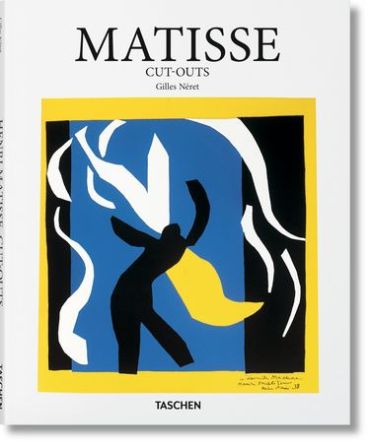
Henri Matisse (1869–1954) was a fighting spirit. Despite a cancer diagnosis in 1941, increasing frailty and the confines of a wheelchair, the indomitable Frenchman never stopped in his quest to make art. With what he called “une seconde vie,” a second life, he embarked on a remarkable collage period, cutting and pasting pieces of colored paper into “gouaches découpées” of birds, plants, flowers, and the female form.
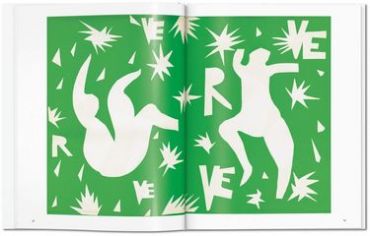
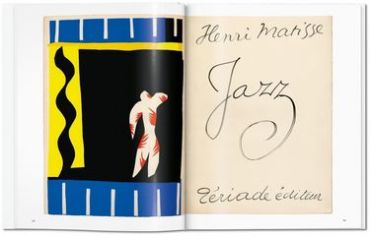
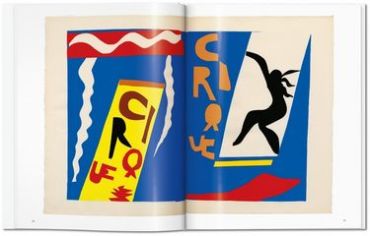
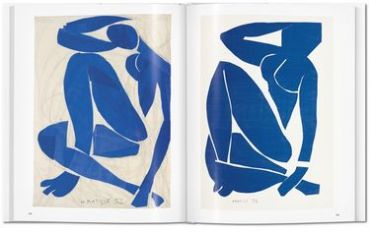
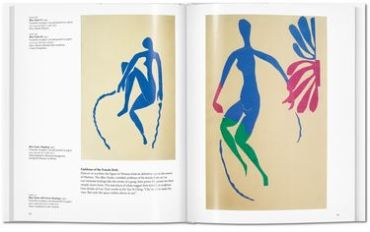
Emphasizing color and contrast, the cut-out technique generated both striking lines and vivid juxtapositions. In works such as The Fall of Icarus (1943), The Blue Nude (1952), The Snail (1953), and La Gerbe (1953), clean forms and elemental structures power a compositional force that belies the work’s decorative appeal, at once tightly organized and infectious with joie de vivre. As his work progressed, Matisse’s excitement with his results fueled ever-larger pieces, advancing from small works to vast wall-sized murals.
As his final years approached, Matisse reveled in the simplicity and brilliance of these pieces, avowing, “Only what I created after the illness constitutes my real self: free, liberated...” In this essential introductory book, we revisit this joyful final chapter of Matisse’ long and prodigious career, examining how the cut-outs encapsulated the artist’s many years exploring the possibilities of composition, form, and color.
How Matisse bowed out in a riot of colorful shapes and patterns
Henri Matisse (1869–1954) was a fighting spirit. Despite a cancer diagnosis in 1941, increasing frailty and the confines of a wheelchair, the indomitable Frenchman never stopped in his quest to make art. With what he called “une seconde vie,” a second life, he embarked on a remarkable collage period, cutting and pasting pieces of colored paper into “gouaches découpées” of birds, plants, flowers, and the female form.
Emphasizing color and contrast, the cut-out technique generated both striking lines and vivid juxtapositions. In works such as The Fall of Icarus (1943), The Blue Nude (1952), The Snail (1953), and La Gerbe (1953), clean forms and elemental structures power a compositional force that belies the work’s decorative appeal, at once tightly organized and infectious with joie de vivre. As his work progressed, Matisse’s excitement with his results fueled ever-larger pieces, advancing from small works to vast wall-sized murals.
As his final years approached, Matisse reveled in the simplicity and brilliance of these pieces, avowing, “Only what I created after the illness constitutes my real self: free, liberated...” In this essential introductory book, we revisit this joyful final chapter of Matisse’ long and prodigious career, examining how the cut-outs encapsulated the artist’s many years exploring the possibilities of composition, form, and color.
Малювання ножицями
Як Матісс занурився у буйство барвистих форм і візерунків
Анрі Матісс (1869-1954) мав бойовий дух. Незважаючи на діагноз раку в 1941 році, зростаючу слабкість і прикутість до інвалідного візка, незламний француз ніколи не зупинявся у своєму прагненні творити мистецтво. З тим, що він називав "une seconde vie", другим життям, він розпочав чудовий період колажування, вирізаючи та наклеюючи шматочки кольорового паперу в "гуаші" із зображенням птахів, рослин, квітів та жіночих форм.
Наголошуючи на кольорі та контрасті, техніка витинанки створювала як вражаючі лінії, так і яскраві зіставлення. У таких роботах, як "Падіння Ікара" (1943), "Блакитна оголена" (1952), "Равлик" (1953) та "Герба" (1953), чисті форми та елементарні структури створюють композиційну силу, яка суперечить декоративній привабливості твору, водночас чітко організовану та заражаючу життєрадісністю. По мірі того, як робота просувалася, захоплення Матісса своїми результатами підживлювало дедалі більші твори, переходячи від невеликих робіт до величезних настінних фресок.
В останні роки життя Матісс насолоджувався простотою та блиском цих творів, стверджуючи: "Лише те, що я створив після хвороби, є моїм справжнім "я": вільним, розкутим...". У цій важливій вступній книзі ми повертаємося до цього радісного завершального розділу довгої і дивовижної кар'єри Матісса, досліджуючи, як витинанки увібрали в себе багаторічні дослідження художника щодо можливостей композиції, форми і кольору.
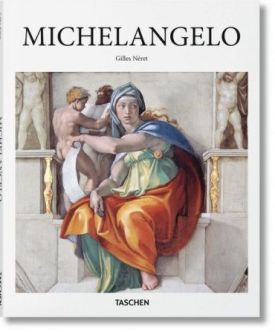
- АвторGilles Neret
- КатегоріяКультура та мистецтво
- МоваАнглійська
- Рік2017
- Сторінок96
- Формат210х260 мм
- ОбкладинкаТверда
- Тип паперуОфсетний
- ІлюстраціїКольорові
900 ₴
Відділення Нова Пошта80 ₴
Поштомат Нова Пошта80 ₴
Кур’єр Нова Пошта120 ₴
Відділення УкрПошта50 ₴
Кур’єр за адресою90 ₴






допоможіть тим, хто ще не читав